September 30, 2026
Employee Self Service in Bahrain: Why HR Teams Are Finally Ditching the Paperwork Trail

Content Writer

Employee self-service can remove a surprising amount of routine work from an HR team’s day. Instead of contacting HR for every document, update, or onboarding requirement, employees can complete straightforward tasks and find information for themselves.
But the opportunity for self-service can begin before someone officially becomes an employee. Consider the period after a candidate accepts an offer. Documents still need to be submitted, forms completed, requirements followed up on, and updates shared. Without a clear way to complete these steps or see what comes next, new hires often turn to HR for answers.
This is where employee self-service becomes more than an HR portal. When it extends into pre-boarding, it can give new hires greater visibility over their onboarding journey while reducing repetitive administrative work for HR.
For Bahrain HR teams evaluating employee self-service, the important question is therefore not simply whether to introduce it. It is where self-service creates genuine value, where human involvement still matters, and how early in the employee journey it should begin. So, where can employee self service make the biggest difference for Bahrain HR teams, and what should you actually move out of HR’s hands?
Let’s break it down.
Key Takeaways
- Employee self-service works best for routine, repeatable tasks that do not require individual HR judgment.
- Human involvement still matters for exceptions, policy interpretation, sensitive conversations, and case-specific decisions.
- Self-service can start before day one. New hires can complete forms, submit documents, and track onboarding requirements during pre-boarding.
- Visibility benefits both sides. New hires can see what remains outstanding while HR can follow progress with fewer manual status updates.
- Measure the impact. A successful self-service process should reduce repetitive enquiries, onboarding follow-ups, and unnecessary administrative work.
See the Agentic AI Hiring Operating System in action.
Join 3,000+ clients using Elevatus to bring greater structure, governance, and efficiency to hiring. Request a free demo and see the full hiring lifecycle in 15 minutes.
Request a free demoWhere Employee Self-Service Saves HR Teams the Most Time
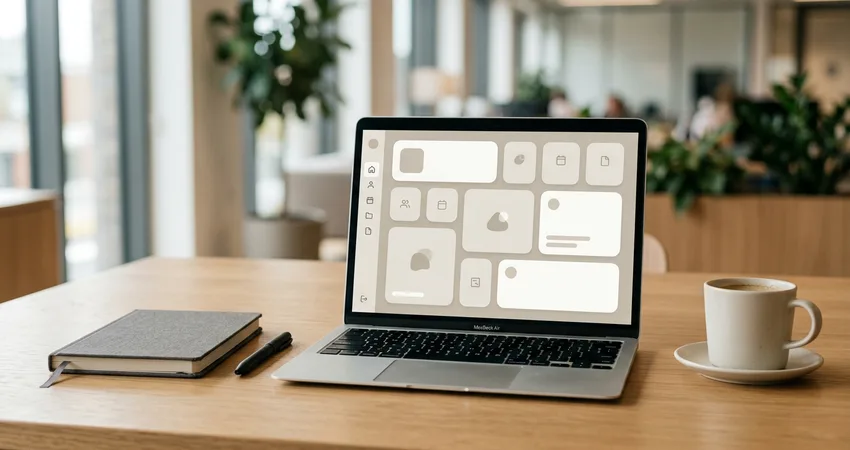
Employee self-service (ESS) allows employees or new hires to complete routine HR tasks, access information, and track relevant requests without relying on HR to handle every interaction manually.
The greatest value tends to come from straightforward, repeatable processes that do not require HR judgment.
Depending on the organisation and the systems it uses, these may include accessing documents, completing forms, uploading requested information, checking the status of an ongoing process, or viewing outstanding onboarding requirements.
Individually, these interactions may seem small. At scale, however, repetitive requests can consume significant HR time.
The purpose of employee self-service is not simply to digitise an existing HR process. It is to give people direct access to the information and actions they can reasonably manage themselves, while allowing HR teams to spend more time on work that requires human expertise.
What Employee Self-Service Should Not Replace

Employee self-service works best for predictable processes. It should not replace HR judgment, policy interpretation, exception handling, or sensitive employee conversations.
Not every HR interaction should become a self-service workflow.
An employee asking for a standard document is very different from an employee seeking clarification about a policy that affects their individual circumstances. Similarly, an automated workflow may handle routine onboarding requirements efficiently, but unusual cases may still need direct HR involvement.
A useful way to draw the line is to ask:
Does this task follow a clear, repeatable process, or does someone need to understand the individual situation before deciding what happens next?
The first is often suitable for self-service. The second usually requires human involvement.
This distinction matters because successful HR automation is not about removing people from every process. It is about using technology where it reduces unnecessary administration while keeping people involved where their judgment and experience add value. Bahrain employers already moving agentic AI in HR from pilot to production face the same question of where automation should stop and human review should begin.
Why Employee Self-Service Should Start Before a New Hire’s First Day

Pre-boarding is the period between accepting an offer and starting a new role, and it is an important opportunity for employee self-service.
Traditional employee self-service often begins once a new employee has officially joined the organisation and received access to its HR systems.
But a significant amount of activity happens before that point.
A new hire may need to submit documents, provide personal information, complete forms, review requirements, and understand what remains outstanding before their start date.
Without visibility into that process, simple questions can quickly become emails, calls, and follow-ups to HR:
- Has my document been received?
- Is anything still missing?
- What do I need to complete next?
- Is everything ready for my first day?
Giving new hires access to relevant onboarding tasks before day one can reduce this uncertainty. Instead of depending on HR for every status update, they can complete required actions and follow their own progress. For HR teams, this extends the value of self-service beyond existing employees and into the transition from candidate to new hire, and it shapes the wider onboarding experience from the very first interaction.
According to Gallup, only 12% of employees strongly agree that their organization does a great job onboarding new employees, which leaves significant room for clearer, self-directed onboarding steps before a new hire’s first day.
Hiring that works for you, not against you.
Connect hiring and onboarding so new hires can complete requirements, follow their progress, and move toward day one with greater visibility, while HR stays connected to the process.
Request a free demoHow Pre-Day-One Self-Service Works for New Hires

Pre-day-one self-service gives new hires a structured way to complete onboarding requirements and understand their progress before they officially start work.
A typical journey might begin as soon as an offer is accepted.
The new hire receives access to the relevant onboarding process and can see which actions are required. They can submit requested information, upload documents, complete assigned forms, and identify anything that remains outstanding.
HR, meanwhile, can follow progress without manually requesting an update at every stage.
The important difference is visibility.
Instead of the new hire wondering what is happening behind the scenes, both sides can work from a clearer view of the onboarding process.
This is where Elevatus, the Agentic AI Hiring Operating System, connects recruitment and onboarding within the same hiring environment. Rather than treating the accepted offer as the end of recruitment and waiting until day one to begin the next process, organisations can create a more connected transition from candidate to new hire.
For enterprises managing larger hiring volumes, that continuity can help reduce unnecessary administrative handoffs while creating a clearer onboarding experience.
What Bahrain HR Teams Should Check Before Rolling Out Employee Self-Service

Employee self-service is most useful when it solves a clearly defined operational problem. Before introducing or expanding it, Bahrain HR teams should consider five areas.
1. Start with the processes creating the most repetitive HR work.
Review the questions, requests, documents, and follow-ups that repeatedly reach HR. Processes that are frequent, predictable, and do not require individual judgment are stronger candidates for self-service.
2. Decide how early self-service access should begin.
Do not automatically assume the employee’s first working day should be the starting point. Map the activities that happen between offer acceptance and day one and determine which of them a new hire could complete independently.
3. Define where human involvement is still required.
Establish clear boundaries between routine self-service processes and situations involving exceptions, policy interpretation, individual circumstances, or sensitive conversations.
4. Consider access, permissions, and governance from the beginning.
Organisations should determine who can access each workflow, what information they can view or submit, and how responsibilities are managed throughout the process. These considerations are particularly important for larger and regulated organisations.
5. Measure whether self-service actually reduces administrative work.
Establish a baseline before rollout. Track repetitive HR requests, onboarding follow-ups, and other relevant administrative touchpoints, then compare them after implementation. A successful self-service initiative should create a measurable operational improvement rather than simply moving the same work into another system. The same baseline discipline underpins strategic workforce planning in Bahrain.
The goal is not to make every HR interaction self-service. It is to identify the processes where direct access makes the experience easier for employees and new hires while removing avoidable administration for HR.
Final Thoughts: Make Self-Service Follow the Employee Journey

Employee self-service reduces routine admin while keeping human judgment where it matters. Starting before day one gives new hires greater onboarding visibility and helps HR manage the transition more efficiently.
Create a More Connected Journey From Offer to Day One
Elevatus, the Agentic AI Hiring Operating System, connects hiring and onboarding in one environment, helping enterprise HR teams create a smoother transition from candidate to new hire.
✓ Connect recruitment and onboarding workflows
✓ Give new hires greater visibility into their next steps
✓ Reduce repetitive onboarding administration
See how Elevatus can support your hiring and onboarding processes. Request your free demo
Employee Self-Service FAQs for Bahrain HR Teams
What is employee self-service?
Employee self-service (ESS) is an approach that allows employees to complete routine HR tasks, access relevant information, or follow the status of certain processes without asking HR to perform each action on their behalf. Depending on the organisation and its HR technology, this can include documents, forms, personal information, requests, and onboarding activities.
What is the difference between employee self-service and an HR portal?
Employee self-service refers specifically to the ability to complete HR-related tasks or access information independently. An HR portal is a broader digital environment that may contain self-service functionality alongside company information, policies, communications, resources, and other HR services.
Can employee self-service begin before an employee’s official start date?
Yes. Selected self-service activities can begin during pre-boarding, after an offer has been accepted but before the employee’s first day. This can allow new hires to submit documents, complete required steps, and follow their onboarding progress without relying on HR for every update.
What HR tasks are best suited to employee self-service?
Employee self-service is generally best suited to high-volume, repeatable tasks that follow a defined process and require little or no individual judgment. Tasks involving exceptions, sensitive employee matters, policy interpretation, or case-specific decisions should continue to involve HR professionals.
Does employee self-service replace HR teams?
No. Employee self-service is designed to reduce the manual administration associated with routine processes. HR professionals are still needed for work requiring judgment, communication, policy interpretation, exception handling, workforce decisions, and employee support.
How can HR teams measure whether employee self-service is working?
HR teams can compare relevant operational measures before and after implementation. Depending on the process, these may include the volume of repetitive HR enquiries, onboarding follow-ups, outstanding tasks, manual status requests, or administrative touchpoints. The appropriate measures should reflect the specific process the organisation is trying to improve.
Turn top talent to employees fast
Hire, assess, onboard and manage top talent for every job. See how Elevatus streamlines everything; from acquire to new hire.
Request a demoAuthor
Kiran is a B2B HR and technology content writer with over eight years of experience crafting SEO-driven and thought leadership content. With a background in HR, she translates complex workplace topics—like talent acquisition, employee engagement, and remote work—into insightful, research-backed articles. When she’s not writing, you’ll find her enjoying a good pizza, discovering quirky new trends, or making memories with her family.
Don't miss a thing!
Stay one step ahead. Subscribe and get the latest updates, news, and insights from Elevatus straight to your inbox.